
Avocado and Regenerative Agriculture: The Role of Avocado in Regenerative Agriculture Practices
As the world increasingly turns to sustainable farming practices to combat climate change and soil degradation, regenerative agriculture has emerged as a beacon of hope. This holistic approach aims not only to sustain but to restore and enhance the health of ecosystems. Among the many crops being evaluated for their potential in regenerative farming, the avocado stands out. This blog explores the role of avocados in regenerative agriculture, highlighting their benefits, challenges, and the innovative practices that are shaping the future of avocado farming.
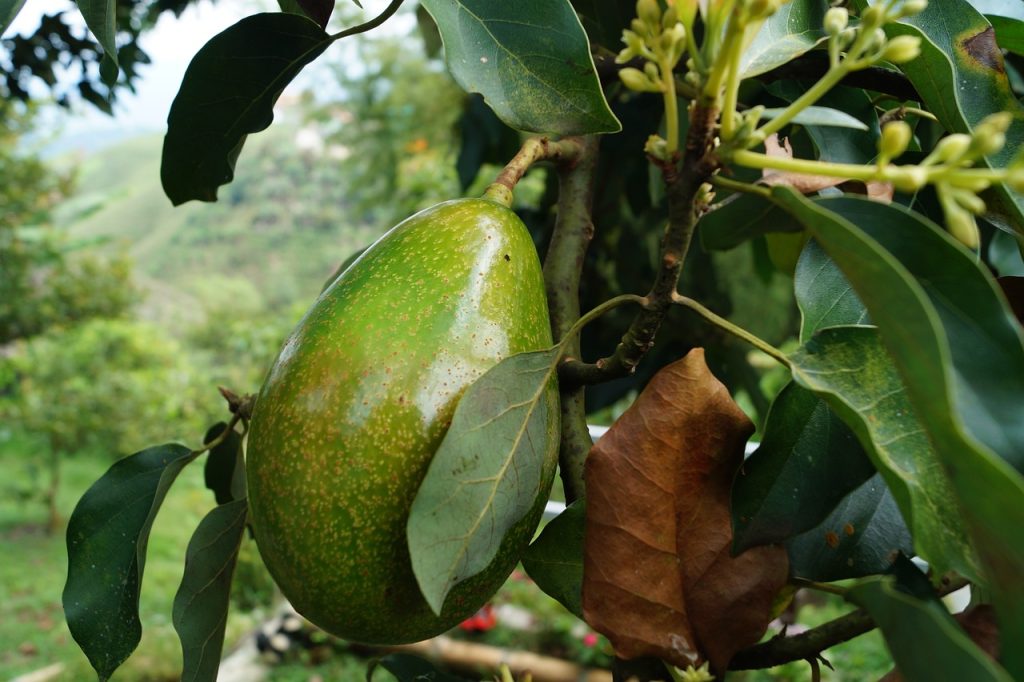
Regenerative Agriculture
Regenerative agriculture is a farming philosophy that focuses on rehabilitating and enhancing the health of agricultural ecosystems. Unlike conventional farming, which often depletes soil health and biodiversity, regenerative practices aim to build soil organic matter, enhance water cycles, increase biodiversity, and improve the resilience of agricultural systems. Key practices include:
- Cover Cropping: Growing crops that cover the soil to prevent erosion and improve soil health.
- Agroforestry: Integrating trees and shrubs into crop and livestock systems to enhance biodiversity and ecosystem services.
- Reduced Tillage: Minimising soil disturbance to maintain soil structure and health.
- Crop Rotation: Alternating crops to improve soil fertility and break pest and disease cycles.
Avocado’s Contribution to Regenerative Agriculture
Avocados, with their deep root systems and significant biomass, can play a vital role in regenerative agriculture. Here’s how avocados contribute to this sustainable farming approach:
- Soil Health Enhancement:
- Deep Root Systems: Avocado trees have deep taproots that help to break up compacted soil layers, improving soil structure and water infiltration. This deep rooting system also helps in accessing nutrients that are otherwise unavailable to shallow-rooted plants.
- Organic Matter Addition: The leaves and fruits of avocado trees decompose, adding organic matter to the soil. This process enhances soil fertility and microbial activity, essential for soil health.
- Biodiversity Promotion:
- Agroforestry Integration: Avocado trees can be integrated into agroforestry systems, providing habitat for a variety of wildlife, including birds, insects, and beneficial microorganisms. This biodiversity helps control pests naturally and supports pollination.
- Polyculture Systems: Growing avocados alongside other crops and native plants can create diverse ecosystems that mimic natural habitats, enhancing resilience and productivity.
- Water Management:
- Improved Water Retention: The root systems of avocado trees enhance soil porosity and structure, increasing water retention and reducing runoff. This is particularly beneficial in areas prone to drought and water scarcity.
- Mulching and Cover Cropping: Using organic mulch and cover crops around avocado trees helps retain soil moisture, reduces evaporation, and prevents soil erosion.
- Climate Change Mitigation:
- Carbon Sequestration: Avocado trees sequester significant amounts of carbon in their biomass and the soil. This process helps mitigate greenhouse gas emissions, contributing to climate change mitigation efforts.
- Reduced Greenhouse Gas Emissions: Regenerative practices, such as reduced tillage and organic farming, lower greenhouse gas emissions compared to conventional farming practices.
Challenges and Considerations
While avocados offer numerous benefits for regenerative agriculture, several challenges need to be addressed to maximise their potential:
- Water Use and Management: Avocado farming is water-intensive, and sustainable water management practices are crucial. Techniques such as drip irrigation, rainwater harvesting, and water-efficient planting designs are essential.
- Soil Health and Pest Management: Maintaining soil health and managing pests without synthetic chemicals is a key challenge. Integrated pest management (IPM) and organic farming practices are critical for sustainable avocado production.
- Market Demand and Sustainability: The growing global demand for avocados has led to concerns over land use changes and environmental impacts. Promoting sustainable sourcing, fair trade practices, and supporting local, small-scale farmers are essential for balancing production with conservation.
Innovative Practices in Avocado Farming
Several innovative practices are being adopted to enhance the role of avocados in regenerative agriculture:
- Agroforestry Models: Farmers are integrating avocados with other tree crops and understory plants to create diverse, resilient ecosystems. This approach not only boosts biodiversity but also enhances soil health and yields.
- Biochar Application: Adding biochar to soil can improve soil fertility, water retention, and microbial activity. Biochar, a byproduct of biomass combustion, helps sequester carbon in the soil, contributing to climate change mitigation.
- Regenerative Certification and Standards: Organisations are developing certification programs and standards for regenerative avocado farming. These certifications help consumers identify sustainably grown avocados and support farmers implementing regenerative practices.
- Research and Development: Ongoing research focuses on developing avocado varieties that are more resilient to pests, diseases, and climate stresses. Additionally, research on soil health and regenerative practices continues to uncover new techniques for sustainable avocado farming.
Conclusion
Avocados are not just a delicious and nutritious fruit; they are also a valuable component of regenerative agriculture. By enhancing soil health, promoting biodiversity, improving water management, and contributing to climate change mitigation, avocados play a significant role in building resilient, sustainable agricultural systems. While challenges remain, the innovative practices and growing awareness of regenerative agriculture offer promising pathways for the future of avocado farming. As consumers and stakeholders, supporting sustainable and regenerative avocado production is a step towards a healthier planet and a more resilient food system. Whether you are a farmer, a consumer, or an advocate for sustainability, there are many ways to contribute to the preservation and enhancement of avocado’s role in regenerative agriculture.