
Avocado and Composting: Using Compost in Avocado Farming
In the quest for sustainable and environmentally friendly farming practices, composting has emerged as a cornerstone of regenerative agriculture. For avocado farmers, composting is not just a method of waste disposal; it is a powerful tool for enhancing soil health, increasing crop yields, and promoting sustainability. This blog explores the benefits of composting in avocado farming, the best practices for using compost, and how it can contribute to healthier, more productive avocado orchards.
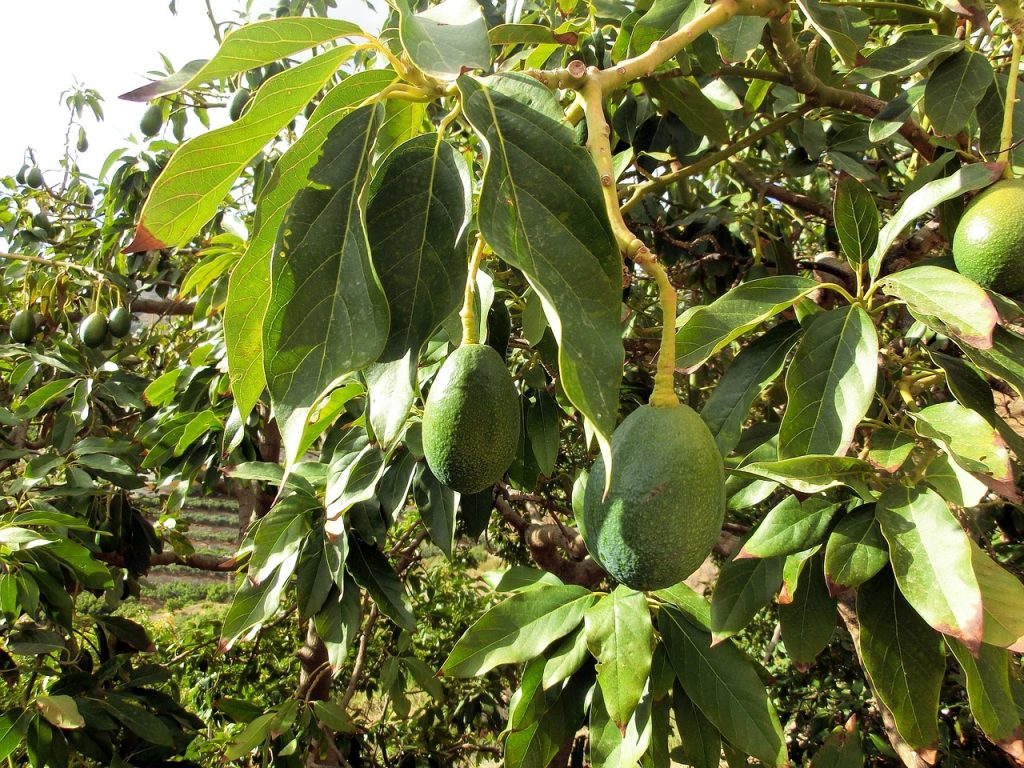
The Benefits of Composting in Avocado Farming
Composting offers numerous advantages for avocado farming, transforming organic waste into a valuable resource that enriches the soil and supports plant health. Here’s how composting benefits avocado orchards:
- Soil Fertility and Structure:
- Nutrient Enrichment: Compost is rich in essential nutrients, including nitrogen, phosphorus, potassium, and trace minerals. These nutrients are slowly released into the soil, providing a steady supply of nutrients to avocado trees.
- Improved Soil Structure: Compost helps improve soil texture, increasing soil aeration, water retention, and drainage. This structure enhances root development and soil microbial activity, vital for healthy plant growth.
- Enhanced Soil Microbial Activity:
- Microbial Diversity: Composting encourages the growth of beneficial microorganisms, including bacteria, fungi, and protozoa. These microbes play a crucial role in decomposing organic matter, enhancing nutrient cycling, and suppressing soil-borne diseases.
- Biological Activity: The increased microbial activity in compost-amended soils promotes the breakdown of organic matter, improving soil health and fertility over time.
- Water Retention and Erosion Control:
- Increased Water Holding Capacity: Compost improves the soil’s ability to retain moisture, reducing the need for frequent irrigation. This is particularly beneficial in regions with variable rainfall or drought conditions.
- Erosion Prevention: The organic matter in compost helps bind soil particles together, reducing erosion and preventing nutrient loss from runoff.
- Disease Suppression:
- Natural Disease Resistance: The beneficial microbes in compost can suppress harmful pathogens and pests, reducing the reliance on chemical pesticides and fungicides. This natural resistance helps maintain the health of avocado trees.
- Carbon Sequestration:
- Soil Carbon Storage: Composting sequesters carbon in the soil, helping to mitigate climate change. The organic matter in compost enhances soil carbon stocks, contributing to soil carbon sequestration and reducing greenhouse gas emissions.
Best Practices for Using Compost in Avocado Farming
To maximise the benefits of composting in avocado farming, it’s essential to follow best practices for compost production and application:
- Selecting the Right Ingredients:
- Green Materials: Use fresh, nitrogen-rich materials such as kitchen scraps, grass clippings, and green leaves. These provide the necessary nitrogen for composting.
- Brown Materials: Incorporate carbon-rich materials like dry leaves, straw, wood chips, and cardboard. These materials help balance the carbon-to-nitrogen ratio, promoting efficient composting.
- Maintaining the Right C
Ratio:- Aim for a carbon-to-nitrogen (C
) ratio of 25:1 to 30:1. This balance ensures optimal decomposition rates and nutrient release. Too much carbon can slow down the composting process, while too much nitrogen can produce unpleasant odours.
- Aim for a carbon-to-nitrogen (C
- Proper Composting Techniques:
- Aeration: Turn the compost pile regularly to introduce oxygen, promoting aerobic decomposition and preventing anaerobic conditions that produce foul odours.
- Moisture Control: Keep the compost pile moist, resembling a damp sponge. Excessive moisture can lead to anaerobic decomposition, while too little moisture can slow down the process.
- Using Compost in Avocado Orchards:
- Soil Amendment: Apply compost to the soil before planting or as a top dressing around established avocado trees. Spread a layer of compost 2-4 inches thick over the root zone and incorporate it into the soil to enhance nutrient availability and microbial activity.
- Mulching: Use compost as mulch around avocado trees to conserve moisture, regulate soil temperature, and suppress weeds. A 2-3 inch layer of compost mulch helps maintain soil health and supports tree growth.
- Monitoring and Adjusting:
- Soil Testing: Conduct regular soil tests to monitor nutrient levels, pH, and microbial activity. Adjust compost application rates based on soil test results to meet the specific needs of your avocado trees.
- Compost Quality: Use well-composted, mature compost with a rich, earthy smell and a crumbly texture. Avoid using raw or partially decomposed materials, which can introduce pathogens and disrupt soil health.
Success Stories: Composting in Avocado Farming
Many avocado farmers worldwide have embraced composting, reaping significant benefits for their orchards. Here are a few success stories:
- Sustainable Practices in California: Farmers in California’s avocado-growing regions have adopted composting to enhance soil health and reduce chemical inputs. By incorporating compost, they have seen improved fruit quality, increased yields, and reduced water usage.
- Regenerative Farming in Mexico: In Mexico, where avocados are a major agricultural product, regenerative farmers are using composting to restore degraded soils. This approach has revitalised soil health, increased biodiversity, and boosted avocado production sustainably.
Conclusion
Composting is a transformative practice in avocado farming, offering numerous benefits for soil health, plant vitality, and environmental sustainability. By recycling organic waste into valuable compost, avocado farmers can enhance soil fertility, promote microbial activity, improve water retention, and support biodiversity. Embracing composting not only contributes to healthier avocado orchards but also plays a crucial role in mitigating climate change and fostering a sustainable agricultural future.
Whether you are a seasoned avocado farmer or just starting, integrating composting into your farming practices is a step towards creating a resilient, productive, and sustainable avocado ecosystem. Explore composting techniques, experiment with different composting materials, and join the growing movement towards regenerative agriculture. Together, we can ensure that avocados continue to thrive while nurturing the health of our planet.